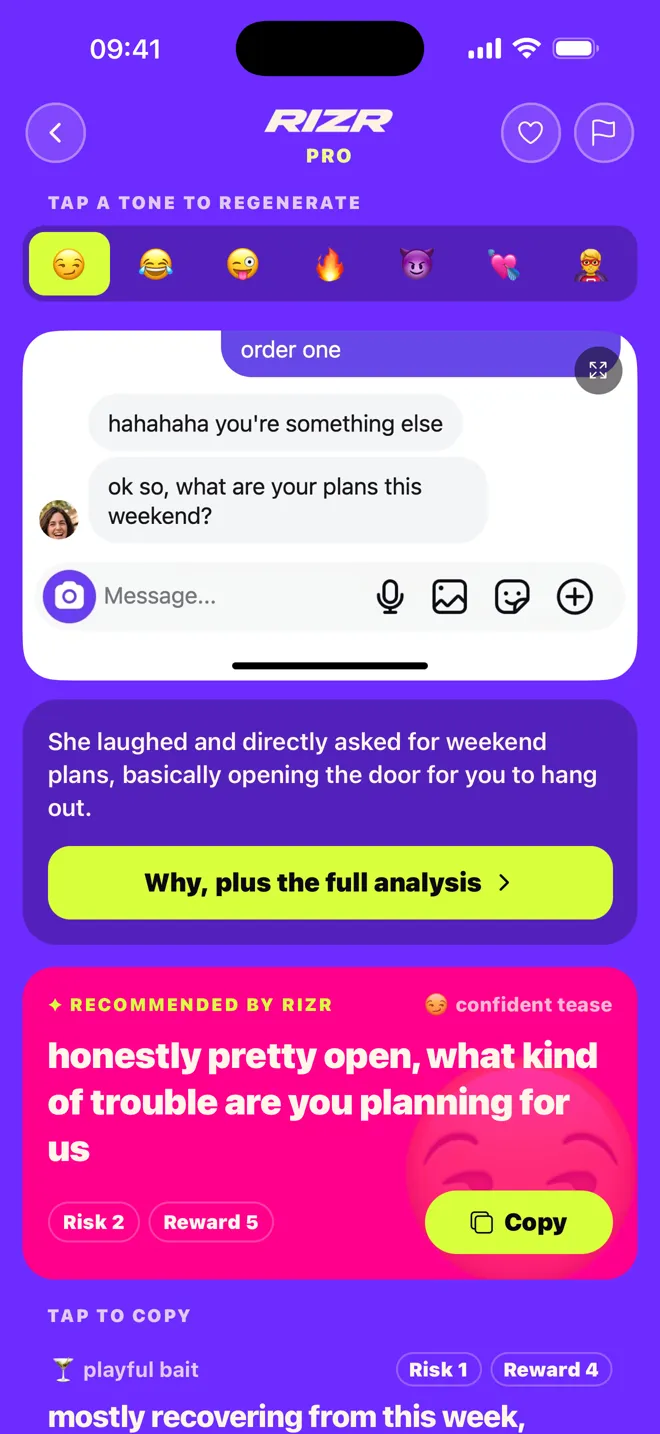

A mistaken pronoun or form of address can be corrected without making the person who heard it comfort you. Use the wording they request, apologize briefly when an apology helps, and keep the focus on the conversation. If you are unsure, ask privately and follow the language that feels natural to them.
Make one clear correction
When you notice the mistake, correct yourself in the same sentence if possible: “They sent the address,” rather than stopping for a long explanation. If the other person corrects you, say you understand and use the form they gave you. There is no need to debate whether the mistake was serious.
Ask privately when the wording is unclear
Languages do not all handle names, titles and pronouns in the same way. If a form is unfamiliar to you, ask which wording they prefer in a private message instead of announcing your uncertainty in a group. They can tell you what sounds right in that language and situation.
Return to the person, not your guilt
After correcting yourself, continue with the point you were making. Asking whether they are angry or demanding praise for learning can make a small repair exhausting. If you slip again, correct it, apologize once and focus on changing the pattern.
Message examples
Correct yourself briefly
I meant they are meeting us at seven. Sorry, I used the wrong pronoun; I’ll use they from now on.
It fixes the sentence, gives a proportionate apology and returns attention to the plan.
Ask about wording in private
I want to address you correctly in Spanish. Is there a form you prefer for your name or pronouns? You can tell me what feels natural, and there’s no need to explain anything else.
It asks for useful language guidance privately without demanding a personal disclosure.
Frequently asked questions
What if I cannot make the grammar work in my language?
Ask the person which natural form they prefer in that language and practise it. A respectful question is better than silently choosing a form that repeatedly misaddresses them.
Should I correct another person in front of the group?
If the person has made their preference public, a brief neutral correction may help. Otherwise ask privately first and avoid making their identity a group lesson.
Updated October 25, 2026 · By the RIZR team